
Off-grid living laws and guides, state by state
Source-backed guides to buying land and building an independent home in all 50 states. Find out who approves water, septic, power and the house itself, then plan the systems together before you commit.
Find your state
All state guidesSelect a state for its guide: the agencies that approve wells, septic systems and buildings, the official sources and the questions to settle before buying. Color the map to compare one rule or figure across the country.
List all 50 states by name
- Alabama AL
- Alaska AK
- Arizona AZ
- Arkansas AR
- California CA
- Colorado CO
- Connecticut CT
- Delaware DE
- Florida FL
- Georgia GA
- Hawaiʻi HI
- Idaho ID
- Illinois IL
- Indiana IN
- Iowa IA
- Kansas KS
- Kentucky KY
- Louisiana LA
- Maine ME
- Maryland MD
- Massachusetts MA
- Michigan MI
- Minnesota MN
- Mississippi MS
- Missouri MO
- Montana MT
- Nebraska NE
- Nevada NV
- New Hampshire NH
- New Jersey NJ
- New Mexico NM
- New York NY
- North Carolina NC
- North Dakota ND
- Ohio OH
- Oklahoma OK
- Oregon OR
- Pennsylvania PA
- Rhode Island RI
- South Carolina SC
- South Dakota SD
- Tennessee TN
- Texas TX
- Utah UT
- Vermont VT
- Virginia VA
- Washington WA
- West Virginia WV
- Wisconsin WI
- Wyoming WY
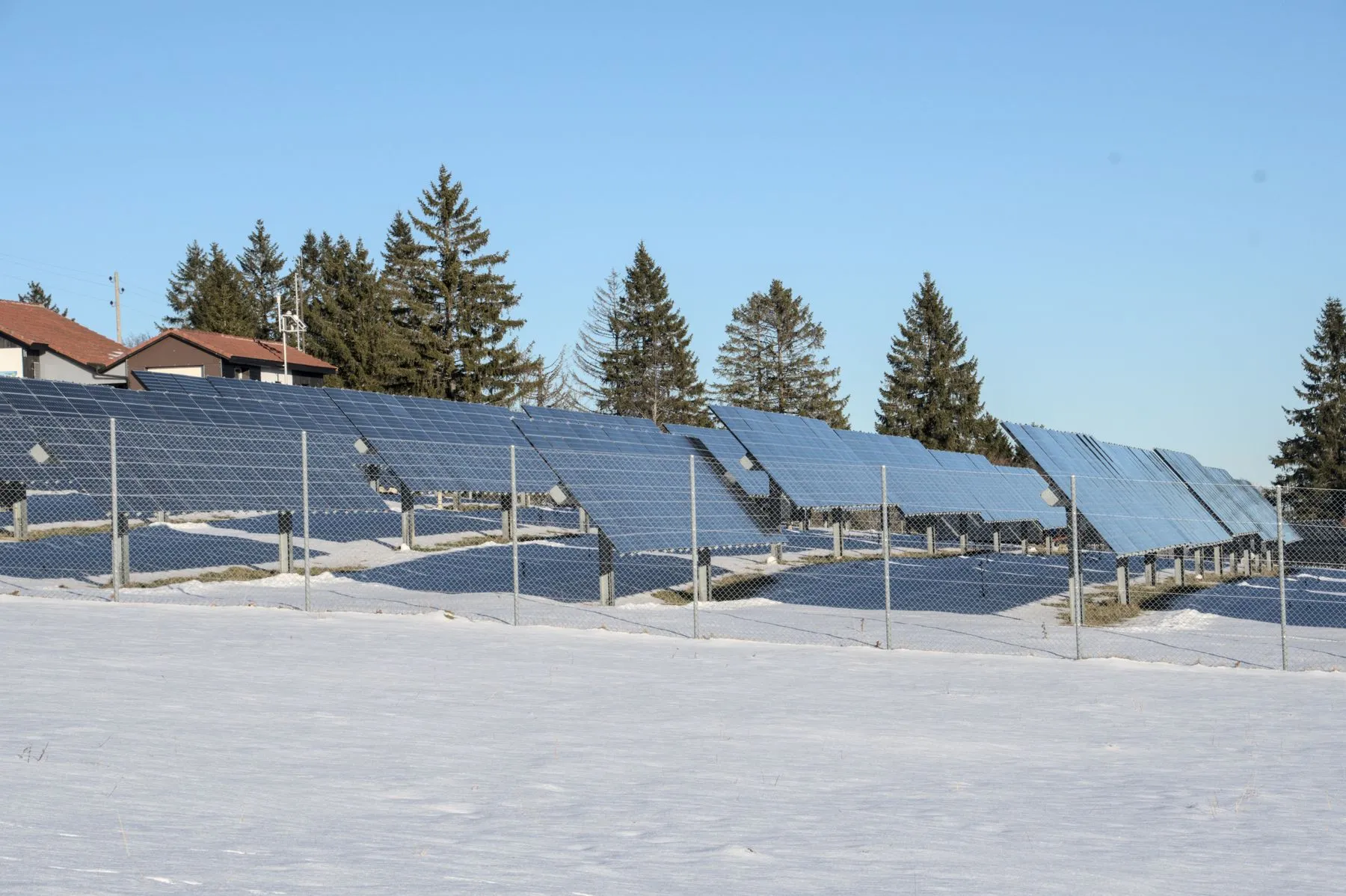
Photo: Jean-Paul Wettstein / Pexels
New article · Power
Peak sun hours by state: the December number that sizes an off-grid system
Every solar map ranks states by their yearly average. An off-grid home has to get through its darkest month instead, and on that measure the order changes, sometimes dramatically.
Read the articleLatest articles
All articles Building rulesCounties without building codesOctober 17, 2026
 Water & wastewaterGreywater laws by stateOctober 17, 2026
 Homes & occupancyLiving in an RV on your own landOctober 17, 2026
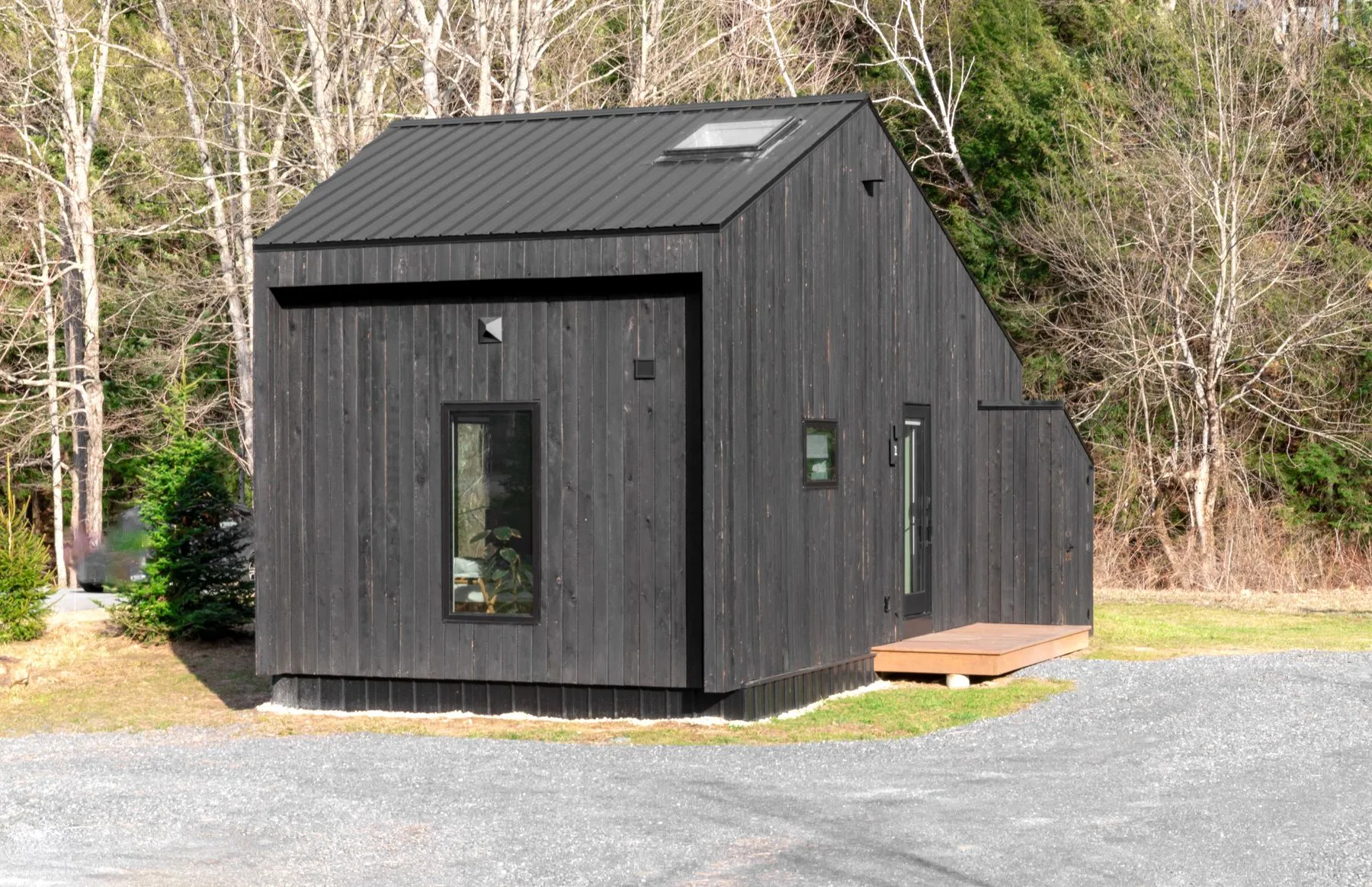 Homes & occupancyTiny house laws by stateOctober 17, 2026
Compare all 50 states
Best states- Best states for off-grid living
Rank the states with your own weights for land value, tax, rainfall, winter sun and building rules.
- Rainwater harvesting laws
Which states cap, permit or encourage roof collection.
- Composting toilet laws
Where waterless toilets are recognized, and what graywater still needs.
- Building codes by state
Statewide codes versus county adoption, and what that means for rural land.
- Well permits and water rights
Drilling permits, licensed drillers and how each state allocates water.
- Calculators
Size a solar and battery system or a rainwater supply with every formula shown.
More from the guides
Practical guidesWater
Where will the next tank of water come from?
Compare wells, rainwater, hauled water and shared supplies. Work through demand, usable storage and the dry periods an annual rainfall total can hide.
Solar
Work out what your solar system needs to supply
A worked electricity inventory explains daily energy, simultaneous demand, battery capacity and what to ask a standalone-system designer.
Costs
Build a budget that reaches beyond the purchase
Compare complete quotes, identify missing site work and account for maintenance and replacement. Includes a blank project-budget worksheet.
Buying land
A promising listing is the start of the investigation
Turn claims about access, water and buildability into a property file. Learn what to request, which investigations belong together and when to stop.
Texas
What “unrestricted land” leaves out
City limits, county authority, groundwater districts and deed restrictions can all affect the same property. Start by finding out who has a say.
Utilities
Solar panels are only part of the plan
Electricity, water and sewer have separate approval paths. Work through connection requirements, independent systems and ongoing charges.
Colorado
Water comes before the mountain cabin
Read the well-permit, wastewater and building questions alongside the practical realities of year-round access.
Off-grid living questions, answered
Is off-grid living legal in the United States?
Yes. No state bans living off the grid. What differs is how an independent home gets approved: county zoning, building codes, septic and well permits, and in some places rules that require a connection when public water or sewer is nearby. Those rules, not the word “off-grid”, decide what a particular parcel allows.
What is the best state for off-grid living?
It depends on what your project needs most. Cheap land, low property tax, plentiful rain and light building regulation rarely come together in one state. Our 50-state comparison sorts every state by each factor separately, and 19 states leave residential building codes mainly to counties.
Do you need permits to live off-grid?
Almost always. Even where there is no building code, a septic or other wastewater system, a new well, electrical work and floodplain development usually need permits. Solar panels and batteries do not exempt a home from any of them. Lenders and insurers may also require inspections.
Is it legal to collect rainwater?
Collecting rain from a roof is legal in every state, but 10 states set conditions such as storage caps, permits, registration or plumbing rules. Drinking it, or using it as a home’s only water supply, usually needs plumbing and health approval.
Can a composting toilet replace a septic system?
Rarely on its own. In our research, 23 states recognize composting toilets in their rules, but nearly all still require an approved system for graywater from sinks, showers and laundry. The usual benefit is a smaller system, not none at all.
Take a working plan to your contractors
Track each task, its prerequisites, the person responsible and the evidence needed to finish it. Use the handover worksheet to collect tests, manuals, settings and service contacts.
Get the build worksheets